When considering vision correction options, many patients are attracted to LASIK surgery for its extraordinary ability to improve lives by bringing back clear sight. As skilled LASIK ophthalmologist, I understand that every patient's journey begins with distinct needs and aspirations. The decision to undergo LASIK is not made lightly; it demands an informed approach that centers around patient comfort and expectation management. From the initial consultation to the sensitive recovery phase, each step is designed to ensure the greatest possible outcome for all patients.
As professional LASIK specialist, my focus spans beyond the technical aspects of the procedure. It is crucial to create a helpful and informative environment where patients feel encouraged to ask questions and voice their concerns. Employing the latest technology, including no-blade LASIK techniques, allows me to offer a custom experience that minimizes discomfort and boosts precision. My goal is to collaborate with each patient, guiding them through the process while ensuring they feel confident in their choice toward achieving optimal vision.
Comprehending LASIK Treatments
Laser-Assisted in Situ Keratomileusis, abbreviated as LASIK, is a popular vision correction surgery that has revolutionized millions of lives. This procedure is conducted by a proficient LASIK ophthalmologist and is designed to correct common eye refractive issues like myopia, long-sightedness, and irregular curvature of the eye. Employing state-of-the-art tools, LASIK alters the corneal structure to enhance the eye's ability to focus light onto the retina, allowing for improved vision without needing lenses and contact lenses.
A crucial part of the LASIK eye surgery process entails the first consultation, that facilitates the skilled eye surgeon to assess the patient's individual vision and eye health. Throughout this evaluation, various tests are performed to determine the thickness of the corneal tissue, measure the refractive error, and analyze overall eye conditions. From these findings, a personalized care plan is created, making sure that each patient obtains the best care tailored to their individual needs.
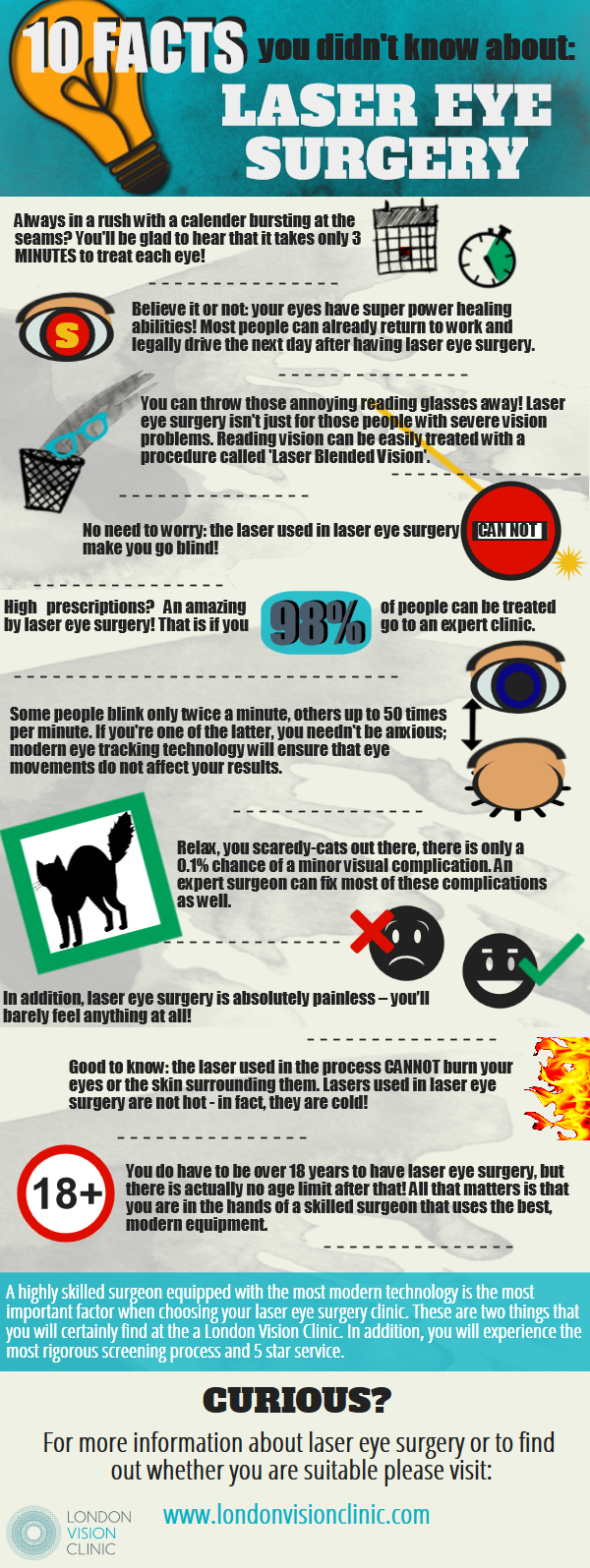
The true LASIK eye surgery operation is quick, ordinarily lasting under 30 minutes for the two eyes. Patients are settled comfortably as the surgeon conducts bladeless LASIK utilizes an advanced laser to create a slight flap in the cornea. After lifting the flap, a different laser is used to reshape the corneal tissue underneath. During this process, patients experience minimal discomfort, thanks to the use of numbing eye drops. Recovery is quick, with a lot of people experiencing improved vision within hours.
The Role of Technology in LASIK
Progress in technology have substantially altered the landscape of LASIK surgery, making it a more precise option for patients seeking vision correction. Contemporary laser systems utilize advanced algorithms that enhance the effectiveness of corneal reshaping. This level of precision allows expert refractive eye surgeons to customize treatments to the individual needs of each patient, ensuring improved outcomes and greater safety during the procedure.
All-laser LASIK, also known as all-laser LASIK, has arisen as a favored technique due to its enhanced safety profile and shortened recovery time. Skilled LASIK ophthalmologists use high-precision lasers to create a corneal flap, minimizing complications associated with older blade methods. This advancement means that patients can expect not only greater comfort during the surgery but also a quick return to their daily activities, further emphasizing the importance of technology in current eye care.
Personalized LASIK solutions are now more attainable thanks to wavefront technology, which analyzes the individual visual imperfections in a patient’s eyes. This cutting-edge approach enables professional LASIK specialists to personalize treatments for optimal results. The integration of such innovative technologies not only improves the effectiveness of the procedure but also augments the overall patient experience, showing how technology continually transforms the future of LASIK surgery.
Patient Journey and Support
A effective LASIK surgery goes beyond technical skill; it revolves greatly on the individual's experience and care throughout the method. From the moment clients walk into the clinic, they should have accommodated and reassured. A skilled LASIK ophthalmologist knows that the first session is crucial. Suggested Studying entails diligently reviewing the individual's optical background, discussing any concerns, and supplying insightful resources to ensure they completely grasp the process. This individualized touch helps to build trust, alleviating any concerns clients may have about the surgery.
During the initial evaluations, a professional LASIK expert uses sophisticated assessment tools to evaluate the client's ocular health and suitability for the surgery. This phase is defined by tailored care, where each patient's unique requirements are taken into account. The surgeon takes the time to explain each step, permitting individuals to become involved in the decision-making. This attention to specifics not only prepares patients for what to anticipate but also reinforces the idea that their attention is personalized specifically to them, improving their comfort and trust.
After the surgery, the focus to client attention continues with detailed follow-up appointments. A bladeless LASIK specialist will make certain that individuals understand the follow-up directions and the significance of attending these appointments. Clear communication is maintained, allowing clients to share any issues or feelings they may experience during healing. This continuous support holds a significant part in the client's path, fostering a sense of belonging and making the whole process effortless and favorable.
Post-Operative Healing Tips
Following LASIK procedure, understanding the recovery process is important for achieving best results. Patients may face some discomfort, including a scratchy or burning sensation in the eyes. https://rentry.co/w6y5anvi is a natural part of the healing process as the cornea begins to heal from the procedure. It is crucial to follow the post-operative instructions provided by your professional LASIK surgeon to ensure a smooth and successful recovery.
As you move forward through your healing, vision may fluctuate initially. Many patients notice improvements within a few days, while others may need additional time to achieve their desired vision correction. Attending follow-up appointments with your professional LASIK doctor will help assess your healing process and address any concerns that may arise. Taking your time and following to prescribed post-operative care are crucial elements in this phase.
Additionally, keeping your eyes safe from irritants and steering clear of activities such as swimming or high-impact sports is recommended for a certain period. A personalized LASIK doctor will provide tailored advice based on your specific needs, ensuring that you are well-informed about what to expect during the healing process. With https://telegra.ph/Laser-Eye-Surgeons-Exploring-The-Way-To-Sharper-Sight-03-19 and attention, most patients can anticipate a life without glasses or contact lenses.